Eventually, the brain gets used to the nicotine levels and requires more to have the same effects
Here, I had finally found peace and safe harbor
Therefore, although outside of the scope of the present work, additional research on product shelf life and stability, as well as consumer perception and behavioral studies, toxicity studies, and human biomarker levels, will help to predict health outcomes that may be expected when consumers use reduced-exposure products
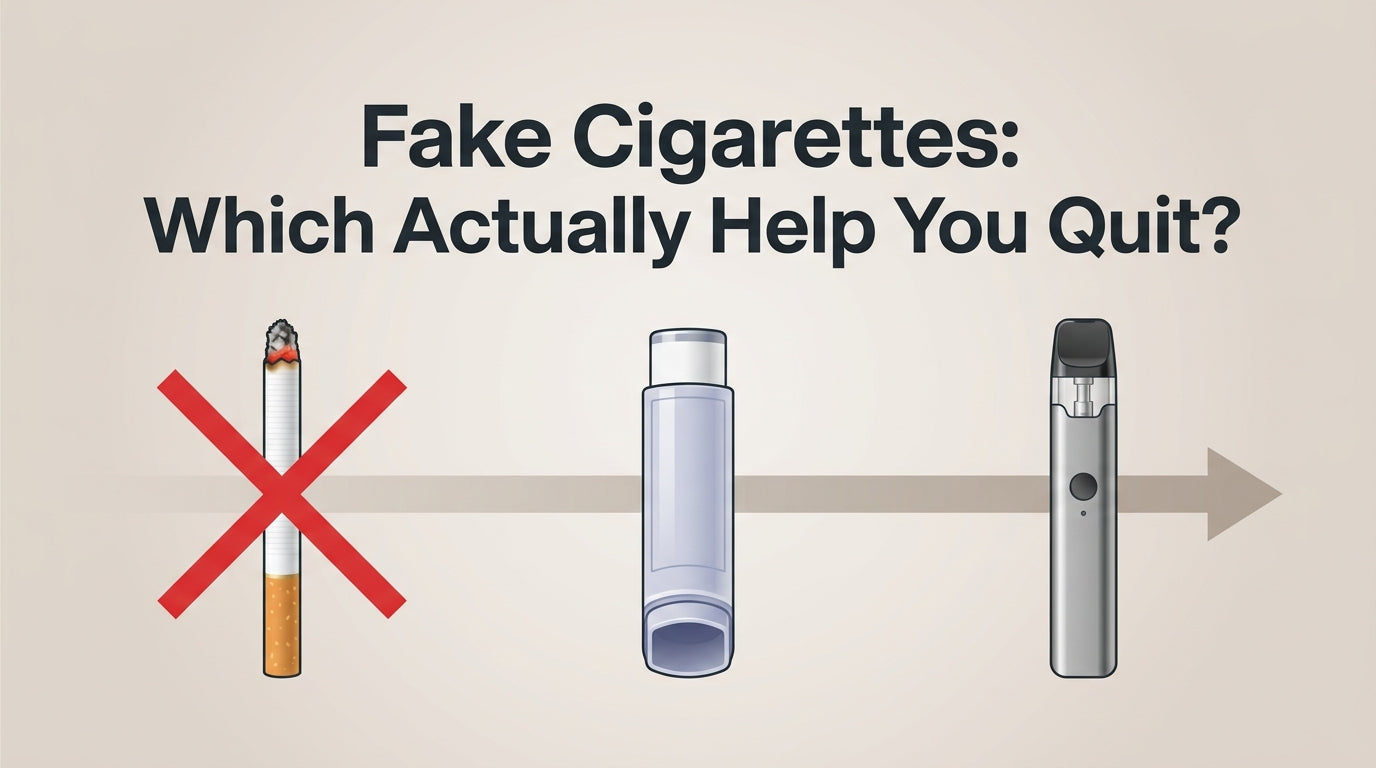
Statistics on Cigarette Use and Nicotine Exposure Cigarettes contain about 600 ingredients, which when burned can produce over 7,000 chemicals with 69 of those chemicals directly linked to causing cancer In about 70% of countries, 31 million adult smokers say they would rather not smoke Only about 7.5% of adult smokers can actually quit each year According to the CDC, in 2020, 13 out of 100 adults in the US smoked cigarettes The US has one of the highest rates of death from lung cancer associated with nicotine use Cigarette smoke has been on a slow decline since the late 1990s New regulations on lowering nicotine levels in Nicotine containing products According to FDA research, lowering nicotine to minimally addictive or nonaddictive levels in cigarettes could help an estimated 12.9 million people quit smoking within the first year
But on the contrary, it has the advantage of being convenient