Retatrutide Clinical Research Findings The clinical development program for retatrutide has produced compelling data across multiple research endpoints: Weight Loss Efficacy: Phase 2 trials showed dose-dependent weight reduction ranging from 8.7% at the lowest dose to 24.2% at the highest dose over 48 weeks Metabolic Improvements: Participants demonstrated improvements in glycemic control, lipid profiles, and blood pressure measurements Safety Profile: Gastrointestinal effects (nausea, vomiting, diarrhea) were the most common adverse events, occurring in 60-80% of participants but generally rated as mild to moderate in severity Sustained Effects: Weight loss continued throughout the trial period without evidence of plateau, suggesting ongoing metabolic benefits These findings have positioned retatrutide as a leading candidate for advanced metabolic research
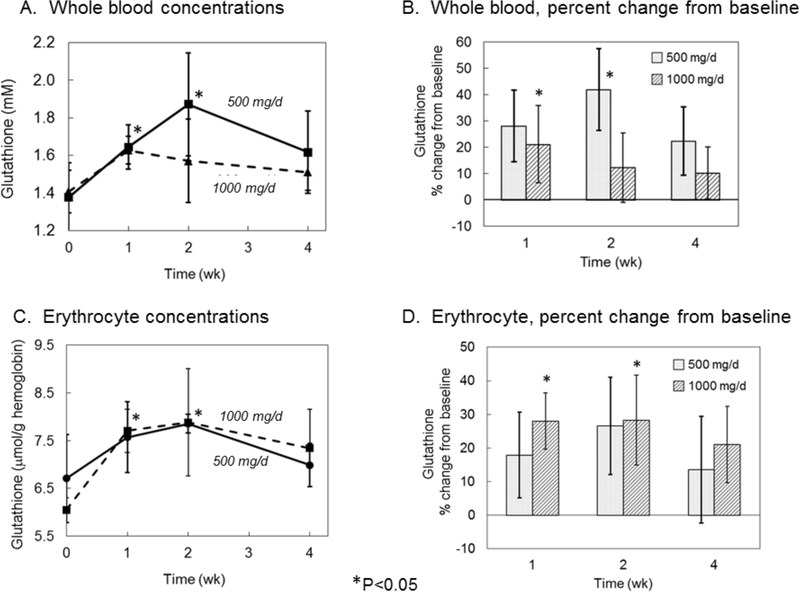
ROS accumulation in GCs disrupts mitochondrial apoptosis and reduces the expression of several transcription factors, such as GDF9 and BMP15 , which are crucial for oocyte competence
Finally, targeting zinc transporter is promising for eliminating cancer by developing small-molecule drugs and monoclonal antibodies
The metabolic programs implicated here, spanning redox metabolism, immunemetabolic signaling, and alternative substrate utilization, are increasingly recognized as central to neural resilience and neurological disease, suggesting that the biology identified in this setting may have broader relevance beyond NPH 7984
One of the most searched topics online is ghk-cu peptide injection dosage and ghk-cu peptide injection dosage per day