Read our in-depth GHK-Cu research profile For In Vitro Research Use Only Not for Human or Veterinary Use Description Additional information For In Vitro Research Use Only Not for Human or Veterinary Use Molecular Weight 403.93 Daltons (complex) Genes Modulated 4,048 Connectivity Map Analysis Chemical & Physical Specifications About GHK-Cu (Copper Peptide Complex) GHK-Cu is a naturally occurring tripeptide-copper chelate first identified in human plasma by Pickart and Thaler in 1973
At trial completion, 11 participants completed the study in the YA and OAG groups, and 12 participants completed in the OAP group, and the trial met statistical power to detect differences
In dermatology and skin care routines, GHK-Cu is often contrasted with retinol and retinoids because it may support skin and hair research with less irritation, although mild redness or irritation can still occur
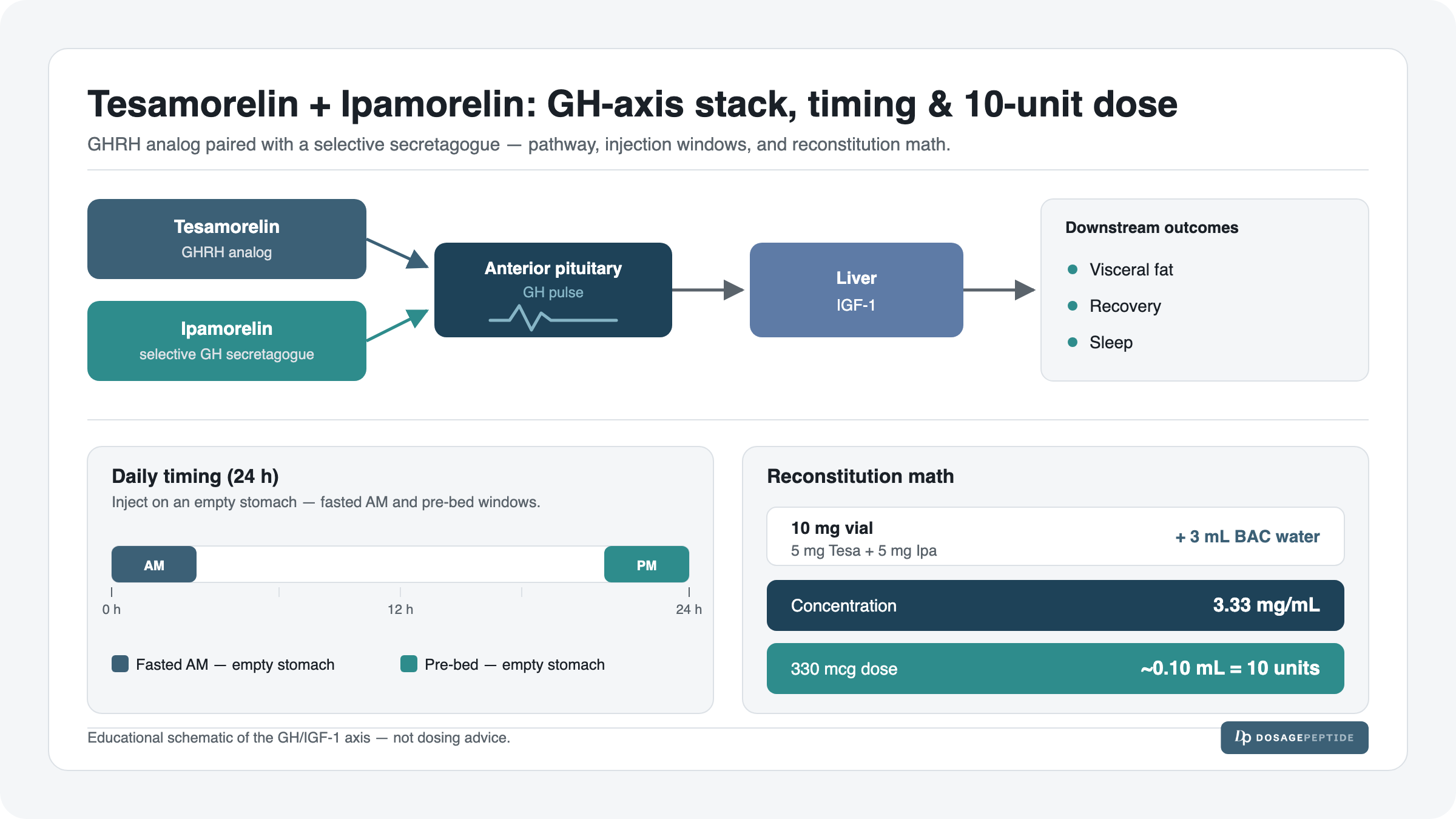
Peptides: Tesamorelin, AOD9604, Tirzepatide (GLP-1 agonist) Tesamorelin is FDA-approved to reduce visceral adipose tissue (VAT) in HIV-associated lipodystrophy, but its fat-burning effects also appear in non-HIV populations AOD9604 is a modified fragment of human GH (176191) shown in animal and early human trials to enhance lipolysis without altering blood sugar or cortisol Tirzepatide , while technically a GLP-1/GIP agonist , is now frequently stacked with peptides in clinical practice to accelerate fat loss and appetite control
Briefly, pancreatic tissue was digested in Geys balanced salt solution containing 0.75 mg/mL collagenase P (Sigma-Aldrich), 0.03% protease (Roche, Mannheim, Germany), and 0.01% DNase I (Roche)