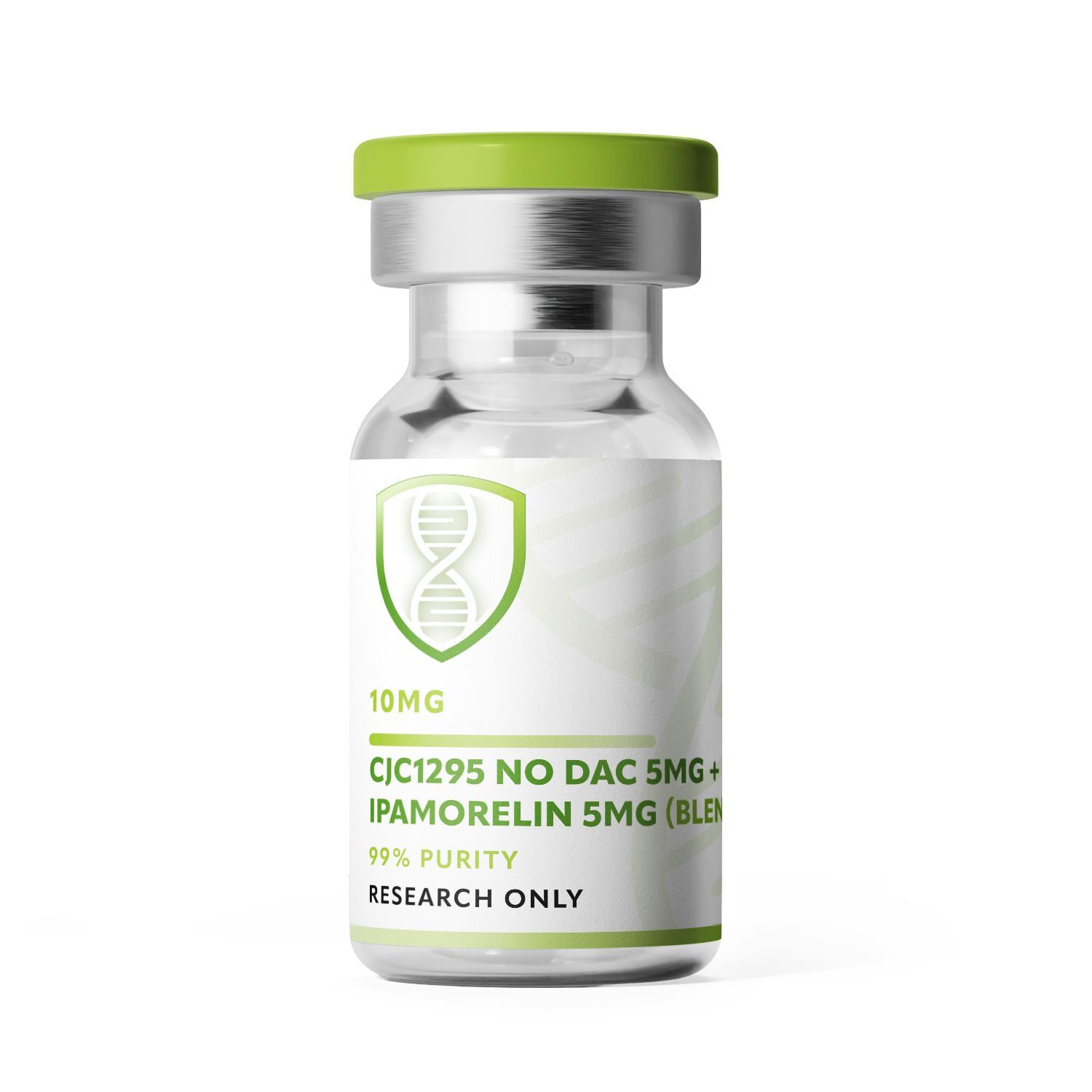
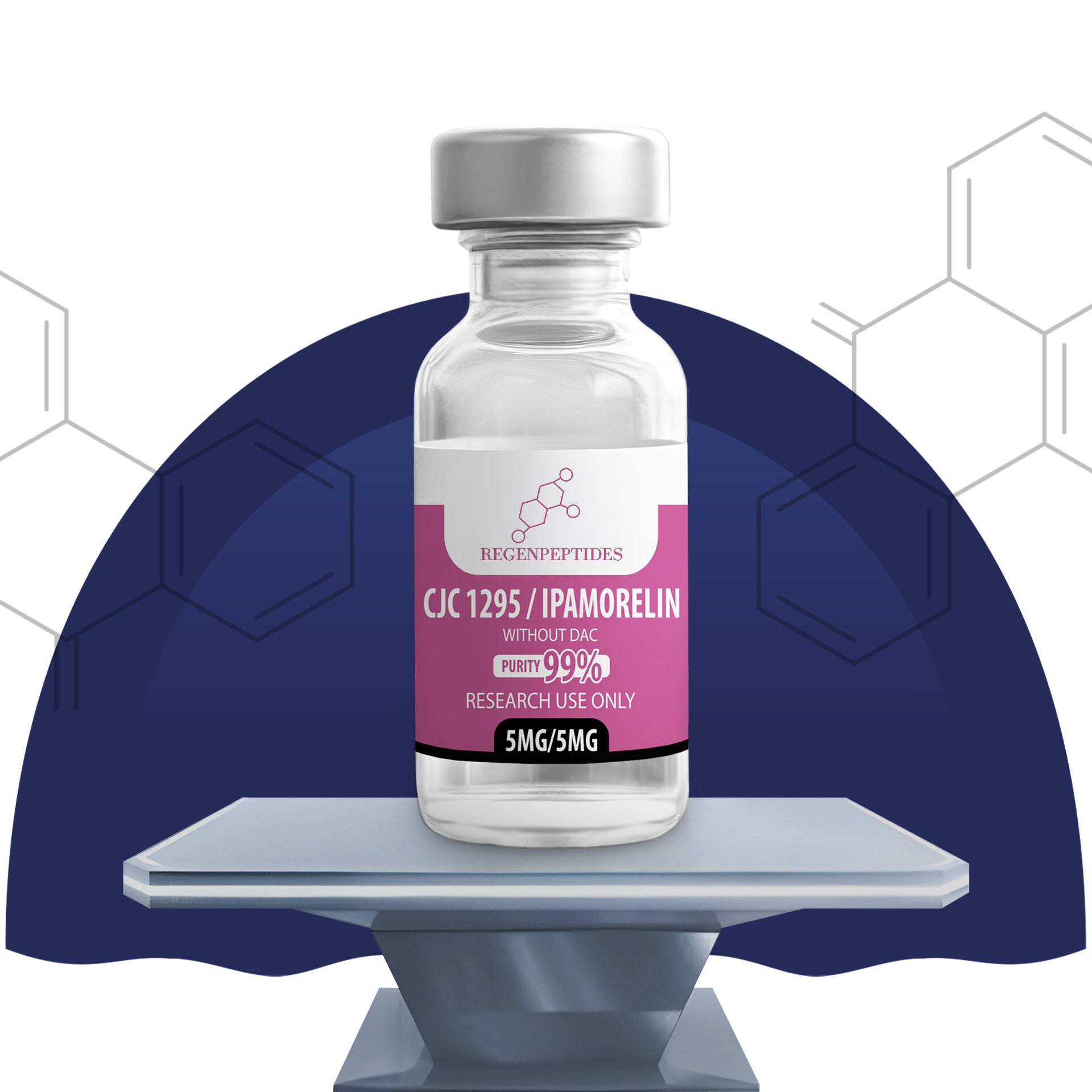
Therefore, this guide primarily focuses on injectable dosing
The Arabidopsis tt19 -4 mutant differentially accumulates proanthocyanidin and anthocyanin through a 3 amino acid substitution in glutathione S -transferase
Many foods that are high in glutathione, sulfur, and other antioxidants have been linked to improved glutathione levels, such as ( 4 ): whey protein powder (high in cysteine) cruciferous vegetables (e.g., broccoli, cabbage, cauliflower, bok choy, Brussels sprouts) allium vegetables (e.g., garlic, onions, shallots) other fruits and vegetables (e.g., asparagus, avocado, cucumber, green beans, mango, papaya, spinach, and tomato) herbs and spices (e.g., curcumin from turmeric) green tea selenium-rich foods (e.g., Brazil nuts, beef, chicken, seafood, dairy products, and whole grains) vitamin C foods (e.g., bell peppers, papaya, mango, oranges, kiwi, Brussels sprouts, cabbage, cauliflower) omega-3s (e.g., fatty fish, omega-3 supplements ) While helpful, it's currently debated whether eating a diet rich in glutathione will significantly improve glutathione levels, since it's not completely absorbed through food
Jrgensen JO, Krag M, Jessen N, Norrelund H, Vestergaard ET, Moller N, et al
Hydrates & Nourishes Maintains skin moisture balance