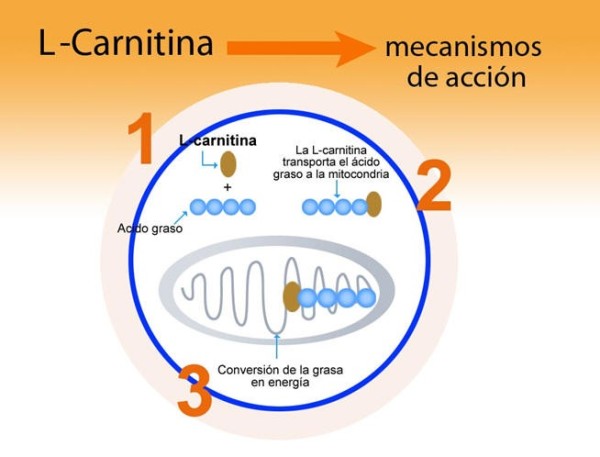
L-Glutamine vs L-Carnitine: Benefits, Differences, Dosage, Safety and Supplement Formulation Guide Quick answer: L-glutamine is best positioned for muscle recovery, immune support and gut-barrier support, while L-carnitine is best positioned for fatty-acid transport, energy metabolism and endurance or weight-management formulas
To ensure specificity, rigorous validation is required, including lot-to-lot testing, peptide competition assays with lactylated versus non-modified peptides, and, where possible, comparison with genetic or pharmacological perturbation of lactylation writers and erasers [143, 144]
Serving sizes vary by format, so compare products by the amount of L-Carnitine per serve and choose timing that best fits your routinesuch as pre-training, with food, or split across the day
Distinct effects of ketamine and acetyl L-carnitine on the dopamine system in zebrafish
polyethylene glycols, dodecyl trimethyl ammonium bromide, polyoxyethylenestearates, colloidal silicon dioxide, phosphates, sodium dodecylsulfate, carboxymethylcellulose calcium, hydroxypropyl cellulose (HPC, HPC-SL, and HPC-L), hydroxypropyl methylcellulose (HPMC), carboxymethylcellulose sodium, methylcellulose, hydroxyethylcellulose, hydroxypropylcellulose, hydroxypropylmethyl-cellulose phthalate, noncrystalline cellulose, magnesium aluminum silicate, triethanolamine, polyvinyl alcohol (PVA), polyvinylpyrrolidone (PVP), 4-(1,1,3,3-tetaamethylbutyl)-phenol polymer with ethylene oxide and formaldehyde (also known as tyloxapol, superione, and triton), poloxamers, poloxamines, a charged phospholipid such as dimyristoyl phosphatidyl glycerol, dioctylsulfosuccinate (DOSS)