An allergy test revealed Liam was allergic to eggs, as well as peanuts and tree nuts, and for the next year, the entire family avoided foods that could trigger a dangerous reaction
Safety, side effects, and considerations Early animal studies show BPC 157 safety data as encouraging
Wolverine vs BPC-157 vs TB-500 vs Thymosin Alpha-1 Comparison Safety and Side Effects in Studies Most research on BPC-157, TB-500, and their combination has been conducted in preclinical animal models
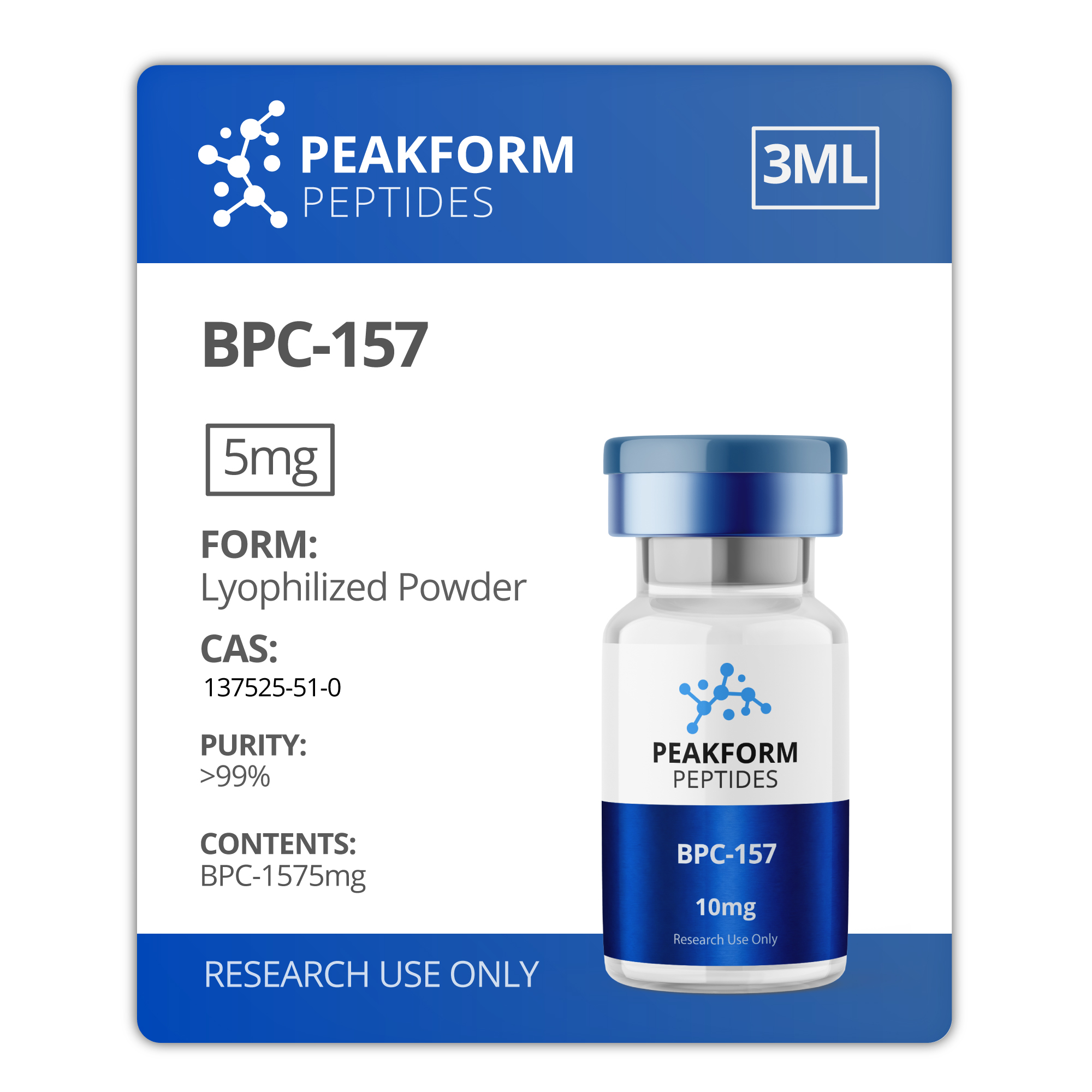
Experimental doses in humans have ranged from 2-5mg administered twice weekly subcutaneously
Based on the clinical evidence and the patient profiles where the compound appears most applicable, the following characteristics tend to describe good candidates for AOD 9604 evaluation when it is medically supervised: Patients with stubborn localized fat deposits that have not responded to diet and exercise, particularly visceral and lower abdominal fat Patients who cannot tolerate GLP-1 medications due to nausea, gastrointestinal side effects, or contraindications Active patients with reasonable baseline metabolic health who want a targeted lipolytic tool to complement their training and nutrition program Patients already on a peptide protocol who want to add a fat-targeting element to a GHK-Cu, NAD+, or sermorelin stack Patients who are not candidates for stimulant-based fat loss medications due to cardiovascular sensitivity, anxiety, or blood pressure concerns AOD 9604 is not appropriate as a standalone weight loss strategy for patients with significant obesity, insulin resistance, or metabolic syndrome