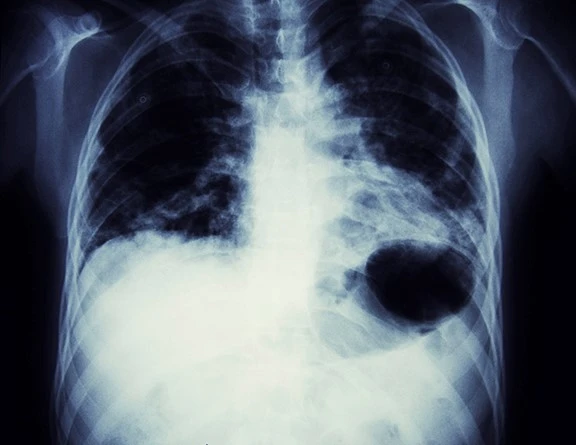
Of course, by asking smokers not to smoke indoors , the problem can be solved fundamentally.
Turner and Son, owned by James Luther Turner and Cal Turner

However, the following treatments are proven to be effective for smokers who want help to quit: Brief help by a doctor (such as when a doctor takes 10 minutes or less to give a patient advice and assistance about quitting) Individual, group, or telephone counseling Behavioral therapies (such as training in problem solving) Treatments with more person-to-person contact and more intensity (such as more or longer counseling sessions) Programs to deliver treatments using mobile phones Medications for quitting that have been found to be effective include the following: Nicotine replacement products Over-the-counter (nicotine patch [which is also available by prescription], gum, lozenge) Prescription (nicotine patch, inhaler, nasal spray) Prescription non-nicotine medications bupropion SR (Zyban) varenicline tartrate (Chantix) Counseling and medication are both effective for treating tobacco dependence, and using them together is more effective than using either one alone
Users can fine-tune the airflow to create either a tighter, more cigarette-like inhale or a looser draw that produces larger clouds
Incontinence The toxins in cigarette smoke can irritate the bladder enough to lead to frequent urination